
Get your car insurance quote
Your request is in
What Your Auto Policy Actually Covers When You're Towing in Virginia
Most Virginia trailer owners assume their auto insurance handles everything. Here's what it actually does and where it stops.
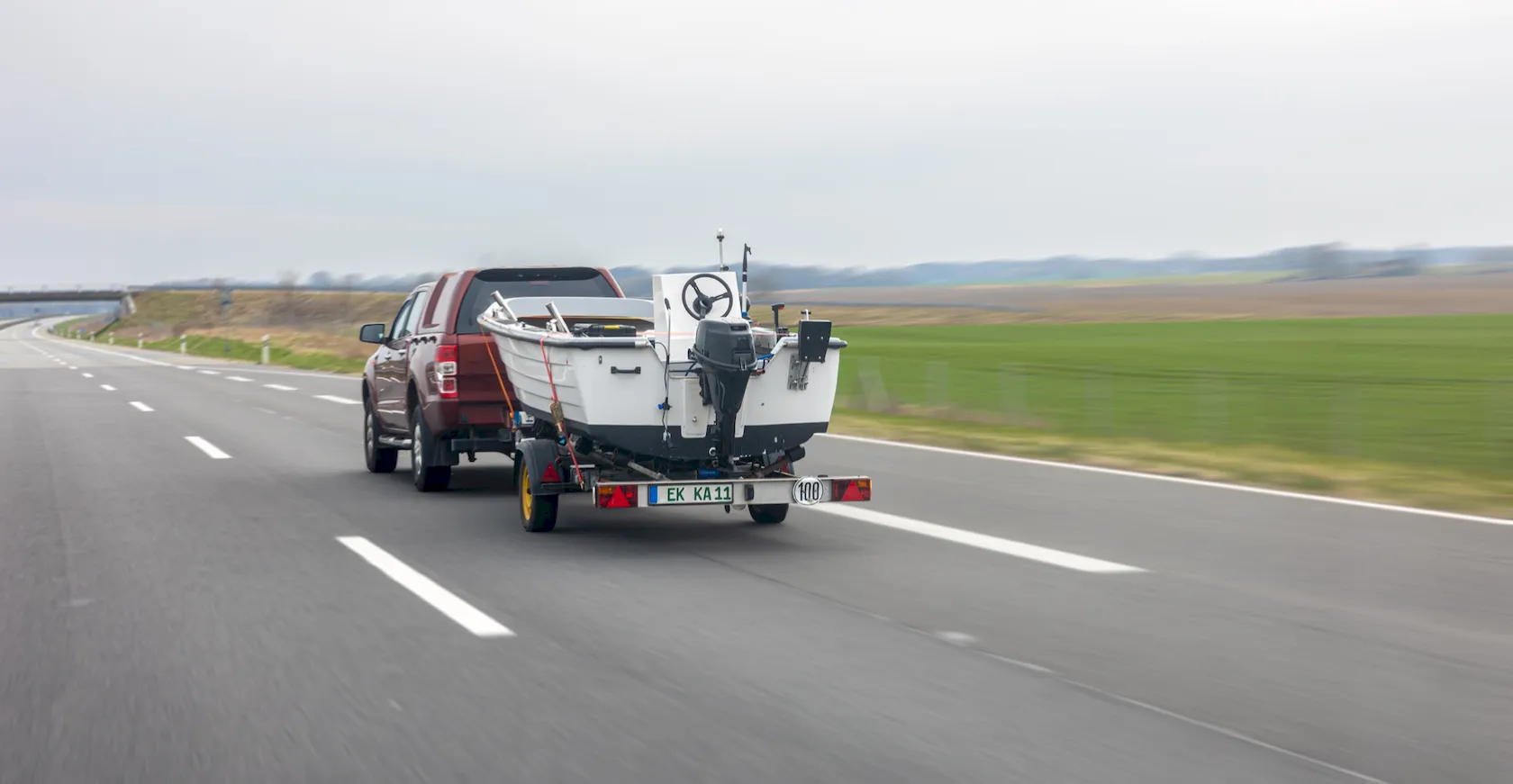
Liability while hitched: Your auto policy's liability coverage generally extends to your trailer while it's attached to your tow vehicle and you're on the road. If you cause an accident while towing and injure someone or damage their property, your auto liability typically applies.
Physical damage to the trailer: This is where it breaks down. Most auto policies do not cover damage to the trailer itself. If you jackknife and total your enclosed trailer, or a tire blows and sends it into a ditch, your auto collision coverage pays for your truck. The trailer sits there uninsured unless you have a separate policy or a specific trailer endorsement.
Cargo inside: Not covered. Your auto policy has no interest in the $15,000 in landscaping equipment, the $30,000 horse, or the $8,000 in tools inside your enclosed trailer. If it's damaged, stolen, or destroyed in an accident, that loss is yours.
Unhitched: Once you unhitch your trailer at a job site, a campground, or your driveway, your auto policy walks away from it entirely. Theft, vandalism, wind damage, a tree falling on it while parked. None of that is your auto insurer's problem.
A standalone trailer policy fills every one of these gaps.
Trailer Insurance Questions Virginia Owners Ask
Does Virginia require separate insurance for my trailer?
No. Virginia's insurance requirement covers the tow vehicle, and its liability extends to the trailer while hitched. But the trailer itself, the cargo inside, and any incident while the trailer is unhitched are not covered by your auto policy. Separate trailer insurance is optional but fills real gaps.
Is my trailer covered if it's stolen from my driveway?
Not by your auto policy. Your homeowners policy might cover it as personal property, but it's often subject to low sublimits and your homeowners deductible. An enclosed trailer full of tools stolen overnight is one of the most common claims we see, and one of the least covered without a standalone trailer policy.
Does my auto policy cover the equipment on my trailer?
No. Auto policies cover the tow vehicle and liability. They do not cover cargo, tools, equipment, or materials being transported on or inside a trailer. If you're a contractor or landscaper hauling work equipment, you need cargo coverage or an inland marine policy to protect what you carry.
Do I need a safety inspection for my trailer in Virginia?
If your trailer has a gross weight of 3,000 lbs or more, yes. Virginia requires an annual safety inspection covering brakes, lights, tires, and structural integrity. Trailers under 3,000 lbs are exempt from inspection but still must meet lighting and safety chain requirements.
Can A&C help with trailer registration and plates?
Yes. We handle trailer titling, registration, and permanent plates through our DMV services. If you have a homemade trailer that needs a VIN assignment, we can walk you through that process too. Insurance and DMV paperwork in one visit.
Virginia's vehicle insurance requirement covers your tow vehicle, and its liability extends to a trailer while it's hitched. But the state does not require separate trailer insurance — the trailer itself, its cargo, and any incident while unhitched fall outside your auto policy (Virginia DMV).