
Get your car insurance quote
Your request is in
Inland Marine Has Nothing to Do With Water
The name confuses everyone. Inland marine insurance is not about boats, not about water, and not about anything marine. The name is a relic from the 1800s, when "marine" insurance covered goods shipped by sea, and "inland marine" was created to cover goods shipped overland. The name stuck. What it actually does in 2026 is protect your business property when it's in transit, at a job site, or stored somewhere other than your main business location.
Your commercial property policy covers what's inside your building. The moment your tools, equipment, or materials leave that building and get loaded onto a truck, carried to a job site, or stored at a temporary location, your commercial property coverage stops. Inland marine is the policy that picks up where commercial property leaves off.
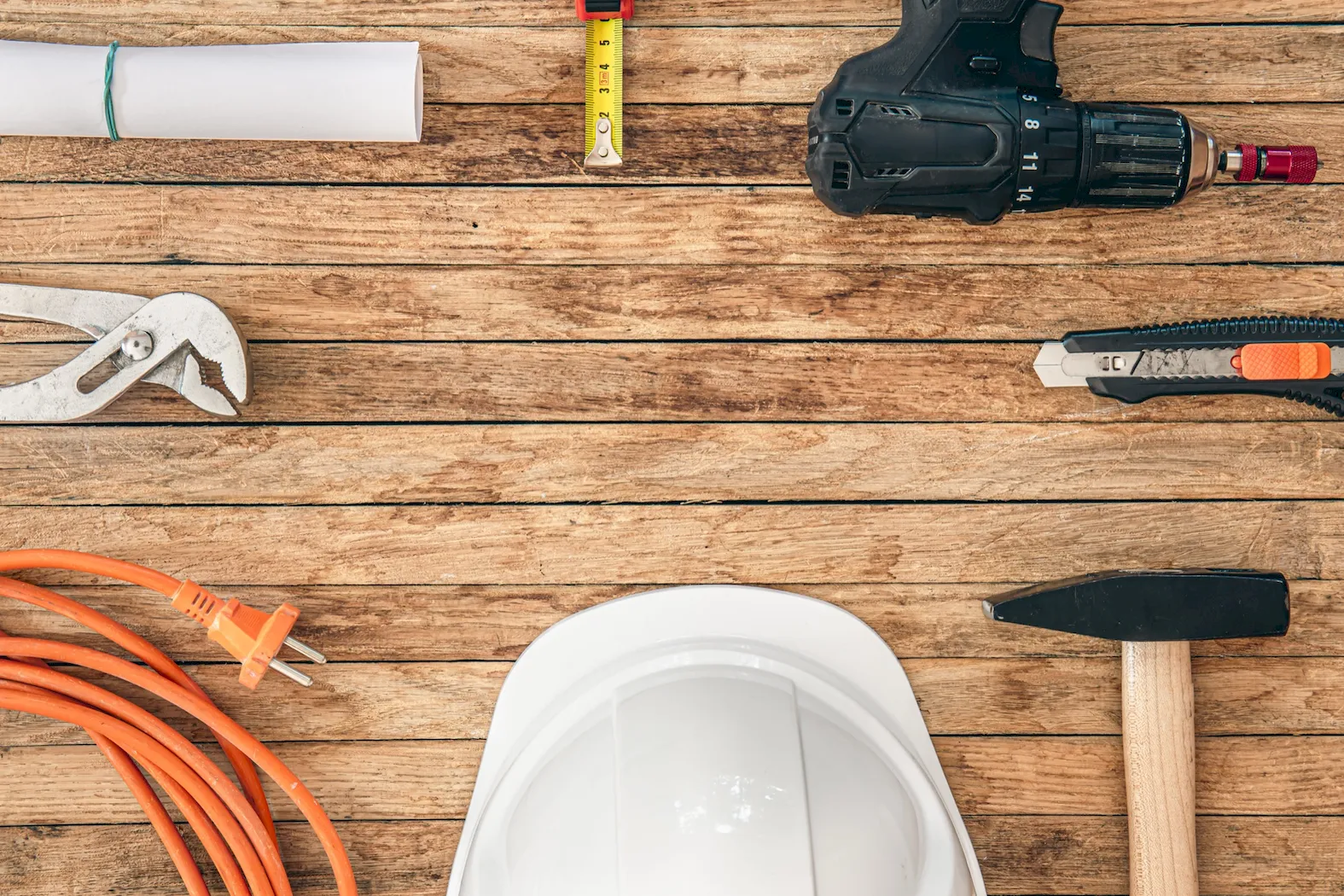
For Virginia Beach contractors moving tools between job sites across Hampton Roads every day, this gap matters. A $40,000 set of tools stolen from a work truck overnight or $15,000 in materials damaged during delivery is not covered by your commercial property policy and not covered by your commercial auto policy. Inland marine is the only policy that responds.
Inland Marine Questions Virginia Contractors Ask
Why is it called inland marine if it has nothing to do with water?
The name comes from 19th-century insurance. "Marine" covered goods shipped by sea. "Inland marine" was created to cover goods shipped overland. The name never changed. Today it covers business property in transit, at job sites, and at temporary storage locations, all on land.
Doesn't my commercial property insurance cover my tools at a job site?
No. Standard commercial property coverage applies to property at your listed business location. Once your tools leave that address and travel to a job site, a storage facility, or a client's property, commercial property stops covering them. That's the gap inland marine fills.
How much does inland marine insurance cost?
It depends on the total value of the property you need to cover. A common benchmark is around $800 per year to cover $100,000 worth of tools and equipment, with a $1,000 deductible. Most policies have a minimum premium of about $500. Higher-value equipment and riskier industries cost more. We compare carriers to find the best rate for your specific equipment list.
Does inland marine cover rented or leased equipment?
Many policies include coverage for rented or leased equipment, but not all. If you regularly rent specialty tools or machinery, confirm that your policy covers rented equipment before the rental starts. If it doesn't, adding that coverage is usually straightforward and inexpensive.
Do I need inland marine if I have a BOP?
Possibly. A BOP includes commercial property coverage for items at your business location and may include a small amount of off-premises coverage, but the limits are usually low. If you carry significant tool and equipment value to job sites regularly, a BOP's built-in off-premises coverage probably isn't enough. An inland marine policy gives you proper limits for property on the move. We can review your BOP and tell you whether the existing coverage is adequate or whether adding inland marine makes sense.